Blog
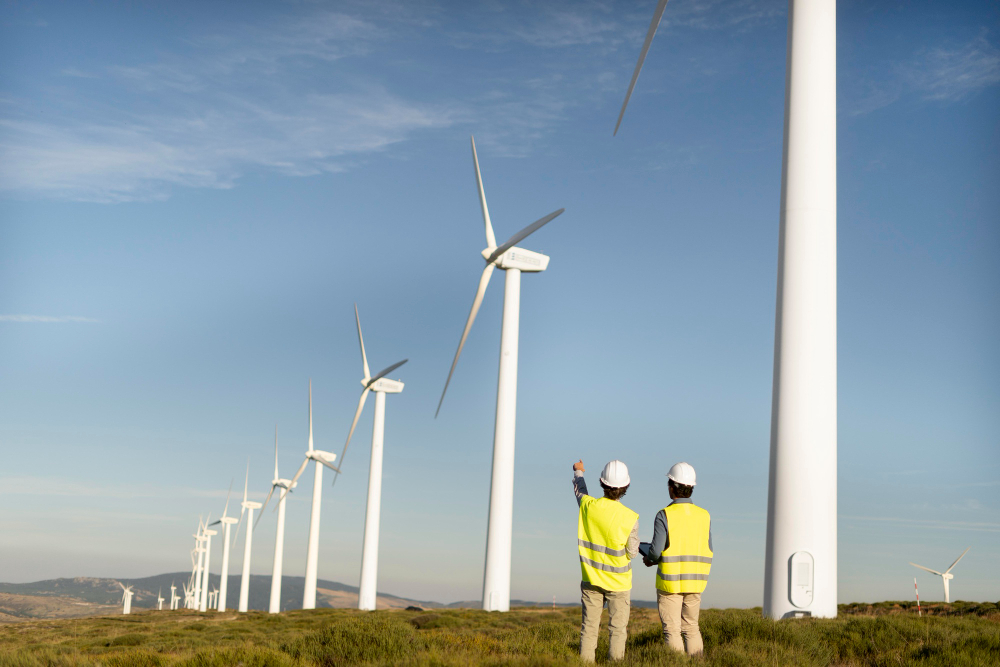
As renewable energy adoption accelerates worldwide, wind power has become one of the leading sources of clean electricity. Wind farms are expanding across coastlines and rural landscapes, offering communities a sustainable alternative to fossil fuels. Yet installing a turbine is only the beginning. Ongoing maintenance is essential to preserving performance and reliability, and one of the most complex aspects of that upkeep is blade repair. Constant exposure to environmental forces and mechanical stresses makes blades especially vulnerable over time.
When a blade is damaged, the financial impact can be significant. Repairing a single blade can cost more than $30,000, and each day a turbine is offline may result in over $1,600 in lost energy production. These costs make proactive maintenance strategies vital. Delayed repairs not only increase expenses but also reduce electricity output, potentially affecting grid commitments and overall project profitability.
Maintenance becomes even more important as turbines age. Manufacturer warranties often cover only the early years of operation, leaving long-term blade health in the hands of owners and operators. Without warranty support, maintenance teams must plan ahead and respond quickly to issues to prevent extended downtime.
Wind turbine blades face a wide range of risks. Environmental exposure, including ultraviolet radiation, rain erosion, airborne particles, and high winds, gradually weakens blade surfaces. Damage can appear mild at first, such as paint loss or small abrasions, but deeper issues like cracks, delamination, or structural fatigue may occur beneath the surface and pose more serious threats.
Identifying these problems requires specialized tools and skilled technicians. While superficial damage is easy to spot, internal flaws are often hidden. Technologies such as ultrasound inspection, thermal imaging, and laser scanning help detect these concealed issues. Blade repair is further complicated by variations in blade composition. Each manufacturer uses its own composite material structure, which means technicians must understand specific material properties to complete repairs correctly.
Repair logistics add another challenge. Wind farms are frequently located in remote areas far from maintenance centers. Offshore wind farms are even more complex, requiring marine vessels and careful planning around weather conditions. Coordinating equipment, replacement materials, and skilled technicians for these locations can be both difficult and costly.
The wind sector is also facing a shortage of trained technicians. As the number of turbines grows, demand for experienced maintenance personnel is increasing faster than the supply. This shortage highlights the need for strong training programs and retention strategies so organizations can keep experienced teams capable of managing the technical and physical demands of blade repair.
Safety is another critical concern. Technicians often work hundreds of feet above the ground and may face challenging weather conditions. Strict safety protocols, including fall protection, environmental monitoring, and detailed repair procedures, are essential. While these measures protect workers, they also add time and complexity to repair efforts.
Despite these challenges, the industry is evolving. New repair materials are being developed that improve durability while reducing environmental impact. These materials can be applied more quickly, helping shorten repair time and reduce labor demands. Predictive maintenance approaches are also gaining momentum, using data to anticipate blade wear and address issues before they become costly failures.
Innovations such as drones and automated inspection tools are improving repair efficiency. Drones allow teams to assess damage quickly and safely, without requiring technicians to climb the turbine. When combined with data analytics, these technologies enable more accurate damage evaluation and better planning for repair schedules.
As wind power continues to expand as a global energy source, keeping turbine blades in strong working condition is becoming an essential priority. A combination of skilled technicians, improved repair strategies, and advanced technology will be critical to supporting the industry’s long-term growth. Prioritizing blade maintenance not only protects investments but also ensures consistent, reliable clean energy production for years ahead.
BY
Nabamita Sinha